As cricket continues to thrive globally, choosing the right gear has become essential for players and enthusiasts. In 2026, the demand for high-quality Cricket Sports equipment is expected to soar. With advancements in technology and increasing competition, players are looking for gear that enhances performance and comfort. From bats to protective gear, every detail matters on the field.
Buying Cricket Sports gear can be overwhelming due to the plethora of options available. Different brands offer various designs, materials, and features. Understanding these intricacies is crucial for making informed choices. Players must also consider their skill level and style of play, which can significantly influence their equipment needs.
Moreover, the market is evolving. Sustainability has become a key factor in gear production. More buyers prefer eco-friendly materials and ethical manufacturing processes. As we look ahead, the balance between quality, cost, and sustainability will shape the future of Cricket Sports gear. While enthusiasts might be excited, they also need to reflect on their personal preferences and performance goals.
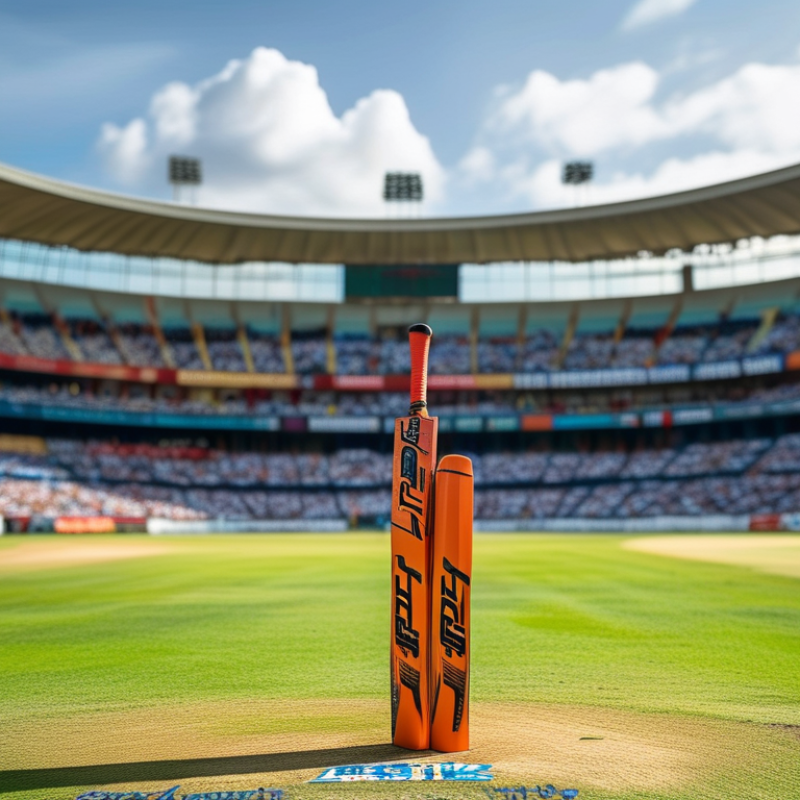
As the demand for cricket sports gear continues to rise, key brands will play a vital role in 2026. Industry reports indicate that the global sports equipment market is projected to exceed $300 billion by 2026, with cricket gear contributing significantly. The demographic trends point to a younger audience engaging in cricket, making innovation crucial.
Top brands are focusing on advanced materials for performance enhancement. For instance, lightweight yet durable pads and helmets are becoming standard. Recent studies show that 10% of players report comfort and mobility as their top needs when selecting gear. Players are increasingly opting for customizable options tailored to individual preferences. This reflects a shift towards personalization, which some brands have yet to fully embrace.
While many brands excel in quality design, some still miss the mark in addressing emerging player needs. Durability and protection can vary greatly among products. Players often express frustration with inconsistency in gear performance. This highlights a need for brands to invest more in research and development, ensuring their offerings meet high standards. The market will reward those who remain committed to continuous improvement and player feedback.
: Beginners need affordable gear that offers good protection. A sturdy helmet and lightweight pads are essential for comfort.
Intermediate players should use high-quality bats for better power. Advanced pads and gloves improve protection and flexibility.
Professionals require tailored equipment for peak performance. Custom bats and lightweight protective gear are crucial for them.
Player feedback is essential for improving gear quality. Brands that listen will likely perform better in the competitive market.
High-tech materials and performance-enhancing technologies are major drivers. Moisture-wicking fabrics and shock-absorbing padding are examples.
Yes, new manufacturing techniques greatly improve weight distribution. This leads to a significant increase in swing dynamics and performance.
High-tech materials can compromise traditional craftsmanship. This raises concerns among purists who value classic techniques.
Protective gear now includes smart technologies. Some pads have sensors to monitor impact, improving safety and reducing injury rates.
Yes, dependence on technology may lead to complacency. Players must balance tech use with fundamental training to maintain skills.
Experienced players might feel overwhelmed and choose incorrectly. Testing various options is essential to find the best fit.
As the cricket landscape evolves, 2026 presents new opportunities for global buyers seeking the best in cricket sports gear. The transition towards advanced technology is evident, with innovative equipment designed to enhance player performance across various levels, from amateur to professional play. Essential cricket equipment, such as bats, balls, and protective gear, is becoming more tailored to individual needs, ensuring a better fit and improved safety.
Moreover, sustainability is a crucial focus in the manufacturing of cricket sports gear, as brands strive to minimize their environmental footprint while delivering high-quality products. Global market trends indicate a growing demand for eco-friendly options, reflecting consumers' increasing awareness of sustainability. As buyers navigate these shifts, understanding the top brands and available innovations will be essential for making informed purchasing decisions in the dynamic cricket sports market of 2026.

 Achieve