China Best Polyester Sports Jersey Manufacturer?

Time:2026-11-16 Author:Isabella
0%

Choosing the China Best Polyester Sports Jersey Manufacturer? The answer depends on more than a low unit price or a polished product photo. A reliable comparison looks at fabric quality, stitching, customization, production controls, and communication. The Polyester Sports Jersey should feel light in the hand, hold its shape after washing, and let players move without pulling at the shoulders. Small details matter. Check the collar seam. Ask how color consistency is maintained across repeat orders. Request a sample before approving a large run.

Textile specialist Daniel Wu offers a useful evaluation principle: “A jersey proves its quality on the field and in the wash, not just in a product photo.” Use that standard when speaking with manufacturers. Ask for fabric specifications, sample options, printing methods, lead-time estimates, and examples of comparable work. Clear answers are a good sign; vague promises are not. A thoughtful supplier should explain trade-offs, such as how a lighter knit may improve airflow but feel less substantial.

This guide explores how to assess Chinese manufacturers without assuming that one factory suits every team or brand. It considers product consistency, customization capacity, quality checks, and practical questions to raise before placing an order. No checklist replaces a physical sample. Even a well-documented process can miss a detail you notice only when the jersey is on the body. That’s worth remembering. Compare evidence, not slogans, and choose a partner whose capabilities match your design, budget, and delivery needs.
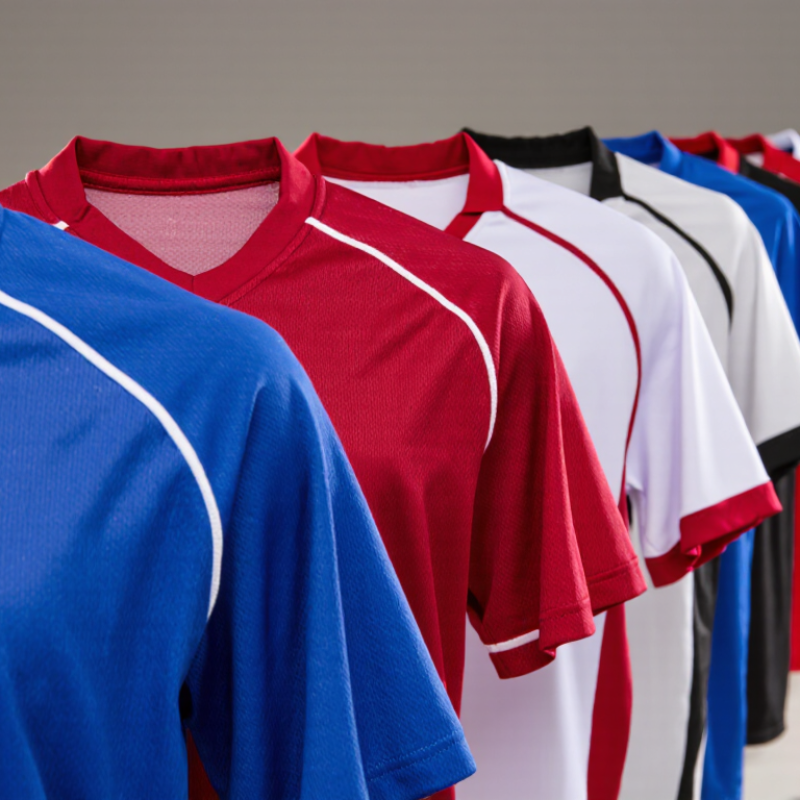
China Best Polyester Sports Jersey Manufacturer?

What Defines a Leading Polyester Sports Jersey Manufacturer in China?

What Defines a Leading Polyester Sports Jersey Manufacturer in China?

A leading manufacturer does more than print a logo and sew panels together. It can explain how fabric weight, yarn construction, and mesh placement affect comfort during movement. Ask for a sample jersey and check its seams, neckline, and print after washing. Small details matter. A capable team should also discuss moisture management without promising that one fabric suits every sport or climate. Production records, clear material specifications, and consistent sample-to-bulk quality offer useful evidence of reliability. One thing buyers sometimes overlook is fit: a technically sound jersey can still feel restrictive across the shoulders.

Tips: Request fabric swatches and a size-set sample before approving bulk production. Compare color, stitching, and measurements under the same conditions. Ask how defects are recorded and corrected. Vague answers are worth noting.

Communication is part of manufacturing quality. A dependable supplier confirms artwork, sizing, quantities, and delivery milestones in writing, then flags changes early. Response speed alone is not enough; answers should be specific. If a sample has uneven seams or the fabric feels warmer than expected, say so and request a revision. The process may take another round. That can be frustrating, but it is better than discovering the mismatch after production.

How Polyester Fabrics Shape Jersey Performance and Comfort

Polyester sports jerseys are designed to move sweat away from the skin, helping players feel less damp during training. The fabric’s performance depends on more than the fiber alone. Knit structure, yarn thickness, and finishing all affect airflow and drying time. A lightweight mesh panel can release heat across the back, while a denser knit may add coverage on the chest. Small details matter.

In practical wear, a jersey should feel comfortable during movement, not just on a hanger. Check how the fabric stretches at the shoulders and whether seams rub beneath the arms. A smooth surface can reduce friction, but an overly slick finish may feel clammy in humid conditions. Polyester also tends to hold its shape after repeated washing, though poor care can still damage prints or shorten fabric life. Wash tests are useful. Compare samples after several cycles, and check for odor retention, pilling, and color changes. One easy mistake is choosing fabric by weight alone; a lighter jersey is not automatically cooler if its knit traps heat. The best choice depends on sport, climate, fit, and how hard the garment will be used.

How Custom Jersey Design and Production Work

China Best Polyester Sports Jersey Manufacturer?

How Custom Jersey Design and Production Work

A custom polyester jersey starts with the wearer, not the print file. Teams specify fit, size range, fabric weight, stretch, and intended use. Fit comes first. A close-fitting cycling top needs different measurements from a loose training jersey. Textile Exchange’s Materials Market Report 2024 estimates polyester made up about 57% of global fiber production in 2023. That scale makes polyester widely available, but fabric quality still varies.

The design file is checked for seams, color limits, and placement. For sublimation, artwork is printed onto transfer paper, then heat-pressed onto polyester fabric. Cut panels are sewn together, often with reinforced stitching at shoulders and side seams.

Grand View Research valued the global sports apparel market at USD 203.3 billion in 2023, reflecting strong demand across sportswear categories. But market growth does not guarantee a good jersey. Fabric choice and pattern accuracy matter more to the wearer.

A sample should be checked on a person, not only on a screen. Review sleeve tension, collar comfort, print alignment, and how the fabric behaves after washing.

Then comes testing. Record approved measurements and color references before bulk production.

One detail is easy to miss: a print can look vivid on paper but dull on fabric. A revised sample may be needed, adding time and cost, but skipping that check can leave a whole team with the wrong fit.

Which Quality Standards and Services Should Buyers Compare?

When comparing a polyester sports jersey manufacturer, look beyond a smooth sample. Ask for fabric composition, weight in GSM, and test results for colorfastness, shrinkage, and pilling. Check stitching around the collar, sleeve seams, and side panels; these areas often show early wear. Request a sample from the actual production fabric, not just a showroom swatch. A certificate can help, but it does not prove every batch is consistent.

Tips: Wash a sample before approval. Measure it again. Check whether the color transfers onto a light cloth, and note any twisting after drying. Small differences matter.

Compare services as carefully as quality. Confirm whether the supplier can provide size grading, logo application, packaging options, and clear production timelines. Ask how they handle defects, sample revisions, and pre-shipment inspections. Get key specifications in writing, including tolerances for measurements and color. Communication should be direct and timely. No checklist removes every risk; I would still inspect a production sample, because one detail can be missed, even by an experienced buyer.

China Best Polyester Sports Jersey Manufacturer? - Which Quality Standards and Services Should Buyers Compare?

Comparison area Relevant standard or benchmark What buyers should verify Useful evidence to request Why it matters
Fabric composition Fiber-content testing; agreed material specification Confirm polyester percentage, any elastane content, knit construction, fabric weight, and whether the fabric is recycled or virgin polyester. Fabric specification sheet, test report, and approved pre-production swatch. Composition and construction affect feel, stretch, moisture handling, durability, and garment fit.
Fabric weight and tolerances Buyer-defined GSM target and tolerance; measured under agreed test conditions Compare the quoted grams per square metre (GSM) with the tested production fabric and agree the acceptable tolerance before ordering. Lab or in-house fabric test results, with sampling method and measurement conditions recorded. There is no single GSM target for every jersey; the right weight depends on the intended sport, climate, and design.
Colorfastness to washing ISO 105-C06 or AATCC TM61 Check color change and staining after the agreed laundering test, especially for dark, bright, and contrasting colors. Test report identifying the method, test conditions, and ratings for color change and staining. Helps assess whether color is likely to fade or transfer during care and laundering.
Colorfastness to rubbing ISO 105-X12 or AATCC TM8 Compare dry and wet rubbing results for dyed fabric and printed areas. Rubbing-test report and a production sample showing the final print or dye process. Useful for evaluating possible color transfer caused by contact, friction, or perspiration.
Perspiration colorfastness ISO 105-E04 or AATCC TM15 Review color change and staining results under the selected test conditions. Test report for the submitted fabric color or finished garment, as agreed. Sportswear can be exposed to sweat during use, so this check is relevant to color performance.
Fabric strength and durability ISO 13934-1 or ASTM D5034 for tensile properties; choose a method suited to the fabric Compare strength results against the buyer's product requirements and check that the tested fabric matches the production construction. Test report showing the method, specimen direction, results, and sample identification. Provides a measurable indication of fabric resistance to tensile forces; it does not replace garment-level inspection.
Restricted substances Applicable legal requirements, including REACH where relevant; OEKO-TEX® STANDARD 100 where specified Confirm destination-market requirements, the tested article and components, report validity, and whether the scope covers prints, trims, and accessories. Current test documentation or certificate with scope and product details clearly identified. A certificate or test report applies only to its stated scope; it should not be assumed to cover every material or finished product.
Garment measurements and fit Buyer-approved size chart and measurement tolerances Check key points of measure across the size range, grading, seam placement, and measurement method. Approved size set, measurement sheet, and pre-production sample inspection record. Clear measurement rules reduce fit variation and disagreements during production inspection.
Sewing and workmanship Buyer-approved workmanship specification and defect classification Inspect seam consistency, skipped stitches, loose threads, panel alignment, labels, and finishing against agreed samples. Inspection checklist, sample photos, and documented records from in-line and final inspection. A written acceptance standard makes quality decisions more consistent from sample approval to shipment.
Print and decoration Buyer-approved artwork, placement, color, and durability criteria Verify print registration, placement, coverage, hand feel, and appearance after the agreed care or durability tests. Strike-off or decorated sample, artwork approval, and relevant test results. Decoration can affect appearance and performance; approvals should use the intended fabric and process.
Quality management system ISO 9001, if claimed and relevant to the facility Check certificate validity, certified site, scope, and whether the actual production facility is covered. Certificate details and an explanation of the facility's inspection, corrective-action, and traceability processes. ISO 9001 concerns a quality management system; it is not a product-performance certification for a jersey.
Sampling and production control Buyer-defined approval stages and inspection plan Compare sample lead times, revision handling, pre-production approval, in-line checks, and final inspection arrangements. Written workflow, sample calendar, inspection reports, and corrective-action records when issues occur. A documented process helps identify deviations before the full order is completed.
Communication and order service Compare against the buyer's sourcing and delivery requirements Confirm response process, order updates, minimum order quantity, production schedule, packaging options, and shipment documentation. Written quotation, production timeline, packaging specification, and agreed escalation contact. Transparent service terms make suppliers easier to compare and help prevent avoidable delivery misunderstandings.

Note: Test methods, acceptance limits, and certification requirements should be agreed for the specific product, destination market, and order. No single test rating or fabric specification is suitable for every polyester sports jersey.

How to Choose a Manufacturer for Your Team or Brand

Choosing a polyester sports jersey manufacturer starts with your team’s real needs. Consider the sport, climate, order size, and how often players will wear each jersey. Ask which fabric weights and knit structures are available. A lightweight mesh may suit hot outdoor games, while a denser knit can feel more substantial. Request a sample in your intended color, then check stitching, seams, print clarity, and comfort after washing. Fit matters.

Tips: Ask for a written size chart, sample lead time, minimum order quantity, and production schedule. Confirm how names, numbers, and color matching are handled. Ask for test results when moisture management or colorfastness is important. Keep answers in writing.

A neat catalog can still hide a weak process. Compare manufacturers by how clearly they explain materials, quality checks, and what happens when a sample needs changes. If possible, inspect a pre-production jersey before approving the full order. Check that the collar lies flat and that seams feel smooth against the skin. Discuss repeat orders, too; matching the same shade months later may take planning. Some details are easy to overlook, and a rushed decision can show on the field.

FAQS

What should buyers check in a polyester sports jersey sample?

Inspect the seams, neckline, shoulder fit, and print. Wash the sample and check for fading, twisting, or damage.

Does lighter polyester always feel cooler?

No. Knit structure and mesh placement affect airflow. A lightweight fabric can still trap heat.

How can buyers compare fabric performance?

Ask for the fabric composition, weight in GSM, and relevant test results. Compare samples after several washes.

Which areas often show early wear?

Check the collar, sleeve seams, and side panels. These spots can reveal loose stitching or uneven construction.

What details should be confirmed before bulk production?

Put sizes, quantities, colors, artwork, measurements, and delivery milestones in writing. Clear records help prevent avoidable mismatches.

How should a jersey fit during movement?

Raise both arms and stretch your shoulders. The jersey should not pull tightly or rub beneath the arms.

What should buyers ask about defects and revisions?

Ask how defects are recorded and corrected. Confirm whether sample changes and pre-shipment inspections are available.

Can a certificate guarantee consistent production quality?

No. A certificate can be useful, but it does not prove every batch matches. I would still inspect a production sample.

Conclusion

Choosing the right China-based manufacturer for a Polyester Sports Jersey means looking beyond price. A capable supplier should understand how fabric weight, stretch, breathability, moisture management, and durability affect comfort and performance across different sports and conditions. Clear communication about materials, sizing, and intended use helps ensure the finished jersey meets the team’s needs.

A well-organized production process typically moves from design and color selection to sample approval, customization, manufacturing, and final inspection. Buyers should compare quality checks, production capacity, lead times, customization options, and after-sales support before making a decision. Reviewing samples and confirming specifications in writing can reduce misunderstandings. By balancing product quality, service, and budget, teams and businesses can select a manufacturing partner suited to their goals and create jerseys that are comfortable, practical, and consistent.


Isabella

Isabella

Isabella is a dedicated marketing professional with a sharp focus on driving brand growth and engagement through strategic content creation. With an extensive background in digital marketing, she combines her passion for storytelling with her keen understanding of industry trends to deliver......