Choosing the right sports uniforms for your team is crucial. According to sportswear expert Sarah Thompson, “The uniform represents the team’s identity and spirit.” This highlights the importance of selection. Teams showcase their character and values through their attire.
Sports uniforms should be comfortable and durable. They need to withstand rigorous physical activity. But, it’s not just about function. A well-designed uniform can boost team morale. Players feel more united and confident in stylish gear.
Cost is also a factor. Some teams may struggle with budget constraints. It’s important to find a balance between quality and affordability. Sometimes, cheaper options may sacrifice performance. Reflecting on the needs and values is essential. What does the team want to represent? How can the uniforms reflect that identity? The right research can lead to an informed decision.
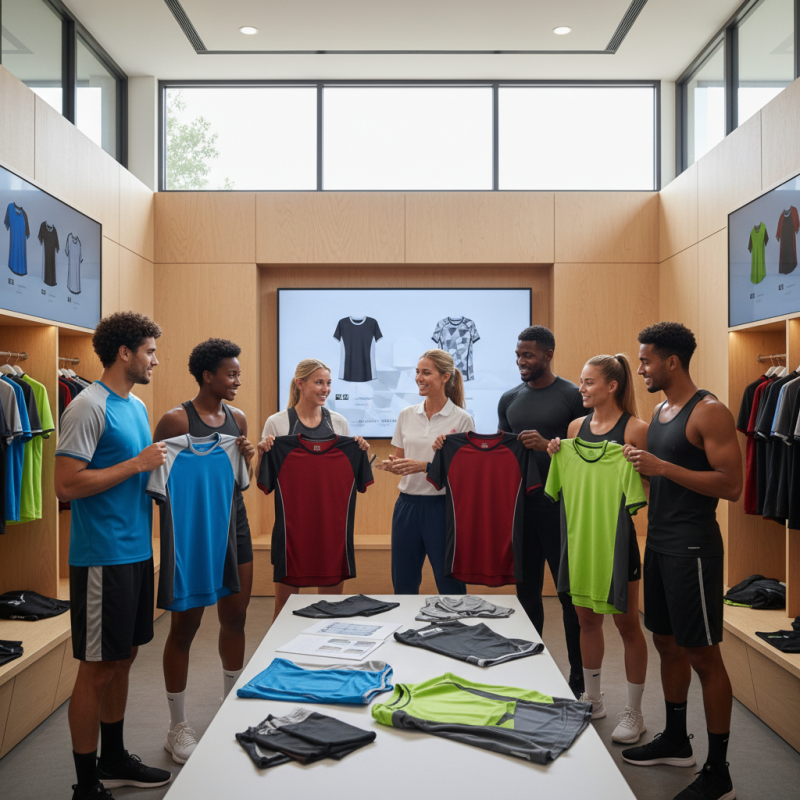
Choosing the right sports uniforms is crucial for team performance and cohesion. Research indicates that 70% of athletes feel more confident when wearing well-designed uniforms. This confidence often translates into better game performance. Uniforms do not just represent a team; they create a sense of belonging. A team that feels unified often collaborates better on the field.
Quality materials are essential for optimal performance. Moisture-wicking fabrics can improve comfort. A study found that players performing in comfortable clothing showed a 20% increase in stamina. However, not all teams prioritize this. Some teams opt for cheaper options, sacrificing quality for cost. That decision can lead to decreased performance and morale.
Furthermore, appearance matters. A well-designed uniform can boost visibility and recognition. Teams recognized for their distinct uniforms may enjoy increased fan engagement. But, teams sometimes overlook the importance of customization. Generic designs can lead to players feeling less connected. Reflecting on these factors can help teams make better choices. Prioritizing quality and design can yield long-term benefits.
When selecting sports uniforms, understanding your team's needs is crucial. Begin by assessing the type of sport. Each sport has unique demands. For example, basketball requires breathability and flexibility, while soccer needs durability against wear. Consider the weather conditions as well. Your team might need moisture-wicking fabrics for hot weather or insulated materials for cooler climates.
Next, involve your team in the decision-making process. Gather their preferences regarding color, style, and fit. A uniform that players feel comfortable in can boost morale. Some might prefer a looser fit, while others like a tighter design. Don't overlook the importance of team identity. A uniform should represent the team's spirit and values effectively.
Also, pay attention to the budget. High-quality materials might be more expensive but often provide better durability and comfort. Balance cost with quality. Sometimes, aiming for cheaper options can lead to dissatisfaction later, especially if uniforms wear out quickly. Regular feedback from team members will help refine future choices too. Uniform selection is not just about aesthetics—it’s a reflection of team dynamics and priorities.
Choosing the right fabric for sports uniforms is crucial for team performance. Different materials can impact how players move and feel during games. Lightweight polyester is often a top choice. It allows breathability and moisture-wicking, keeping athletes dry. This is essential for maintaining focus and energy.
Cotton, while soft, tends to absorb moisture. It can become heavy when wet. This might slow players down. Therefore, it's important to consider the specific needs of the team. Will they play in hot or humid conditions? Or will they face colder climates? The answer affects fabric choice significantly.
Tips: Always test samples before purchasing. Have players wear them during a practice session. Getting feedback is key. Also, consider durability. Some fabrics wear out faster than others. Think about how often the uniforms will be used. Investing in quality material can save money in the long run. Finally, do not overlook the fit. Comfort plays a vital role in performance. A uniform that is too tight or loose can hinder movement tremendously.
Choosing the right colors and designs for your sports uniforms is crucial. A well-thought-out uniform reflects team identity and builds camaraderie. According to research from the Sports Marketing Survey, 65% of players feel a strong connection to their team’s colors. This emotional bond enhances performance and teamwork.
When designing uniforms, consider incorporating colors that resonate with your team's values. Bright colors can symbolize energy, while muted tones may convey sophistication. Survey data shows that teams in vibrant colors attract more fan engagement. Think about how logos and symbols can reinforce your team's message, too. For example, a local motif can instill pride and a sense of belonging.
Tips: Involve your team in choosing colors. Their input can foster greater pride. Use online design tools to experiment with various combinations. Allocate time for reflection; sometimes, what seems appealing at first may not hold up in the long term. Consider sustainability; eco-friendly materials can enhance your brand's image and appeal to socially conscious fans.
| Team Name | Color Scheme | Design Elements | Material Type | Size Range |
|---|---|---|---|---|
| Red Warriors | Red & Black | Logo on Front, Number on Back | Polyester | S, M, L, XL |
| Blue Titans | Blue & White | Stripes on Sleeves, Team Name | Nylon | M, L, XL, XXL |
| Green Hawks | Green & Gold | Embroidered Logo, Number | Cotton Blend | S, M, L |
| Yellow Rangers | Yellow & Black | Side Panels, Player Name | Breathable Fabric | M, L, XL |
Choosing the best sports uniforms involves careful budgeting. Balancing cost and durability can be challenging. It's crucial to assess what qualities matter most for your team. Cheaper uniforms may save money initially, but they often lack longevity. They can wear out quickly, leading to more frequent replacements.
Consider the materials used in uniforms. High-quality fabrics resist wear and tear. They provide better comfort and performance during games. On the other hand, lower-cost materials might feel rough and restrictive. Investing a bit more upfront can save you in the long run. You won't have to replace them often.
Look for reviews or testimonials about different suppliers. Feedback from other teams can guide your decisions effectively. Sometimes, online retailers promise low prices but fall short on quality. It's wise to learn from others' experiences to avoid potential pitfalls. Remember, durability and quality can outweigh the initial costs in the long run.
: The right colors build team identity and enhance camaraderie. They create emotional connections among players.
Bright colors symbolize energy, while muted tones convey sophistication. Choose colors that resonate with your team's beliefs.
Involve your team for input. Experiment with designs using online tools. Reflect on choices to ensure lasting appeal.
Teams with vibrant colors often attract more fans. Engaging colors can boost support during games.
High-quality fabrics last longer and provide comfort. Cheaper materials can wear out quickly, leading to more frequent replacements.
Balance cost and durability. Invest in quality to save money in the long run and avoid repeated purchases.
Look for reviews and testimonials from other teams. Their experiences can help you make informed choices.
Cheaper uniforms may lack durability. They often wear out quickly, increasing overall costs in the long term.
Eco-friendly materials enhance your brand's image. They appeal to socially conscious fans and can improve team reputation.
Avoid blind trust in low-price promises. Higher initial costs for quality can save you from future issues.
Choosing the right sports uniforms is crucial for any team, as they not only represent the team’s identity but also impact performance and comfort. Understanding the importance of selecting uniforms that cater to the team's needs and preferences is the first step. This includes evaluating various fabric and material options that enhance performance, ensuring players remain comfortable while engaging in physical activities.
Additionally, selecting colors and designs that reflect the team's identity can foster a sense of unity and pride among players. Budgeting is also essential; teams must balance quality with cost to ensure durability without compromising on performance. Ultimately, the right sports uniforms can enhance team spirit and performance on the field, making thoughtful selection a priority for coaches and administrators alike.

Achieve