In recent years, the sports wear industry has seen significant growth. According to a report by Grand View Research, the global sports apparel market was valued at over $180 billion in 2020. This number is expected to reach $300 billion by 2028. This growth highlights the increasing importance of selecting the right sports wear for various activities.
Choosing the appropriate sports wear can impact both performance and comfort. Well-designed garments can enhance movement, regulate temperature, and improve overall athletic performance. However, many consumers struggle to navigate the vast options available. Features such as moisture-wicking, breathability, and fit can vary widely, making decisions challenging. Additionally, not all brands prioritize quality.
An informed selection process requires understanding one's specific needs and preferences. Factors like activity type, climate, and personal style play significant roles. With numerous choices, it’s easy to feel overwhelmed. Reflecting on these elements can lead to more satisfying purchases and better performance.
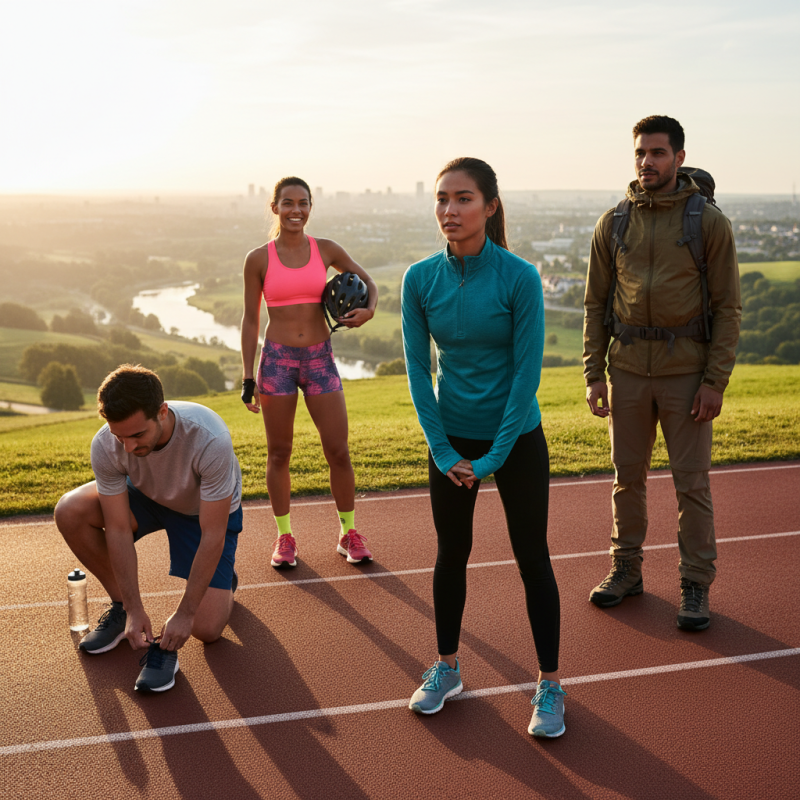
Choosing the right sports wear can enhance your performance. Different activities require different types of clothing. For instance, running gear needs to be lightweight and moisture-wicking. This helps keep you cool and dry while running.
For weightlifting, you'll want something more supportive. A strong, fitted top allows for better movement and stability. Look for fabrics that offer flexibility. Some may find loose clothing distracting during heavy lifts.
Yoga requires different considerations. Breathable materials are essential. You need items that stretch well but also provide support. Consider the fit; too tight can limit movement, but too loose might get in the way. Reflect on your personal comfort in various activities. What works for one may not work for another.
Choosing athletic wear isn't just about style; it’s about performance and comfort. A survey by the Sports & Fitness Industry Association shows that 72% of consumers prioritize comfort when selecting sports apparel. Proper fit, fabric choice, and moisture-wicking properties are crucial factors. An ill-fitting garment can hinder movement and lead to discomfort, especially during intense workouts.
Breathability plays a significant role in enhancing comfort. A study published in the Journal of Sports Sciences indicates that moisture-wicking fabrics reduce sweat buildup by up to 30%. Fabrics like polyester and nylon help in temperature regulation, preventing overheating. In contrast, cotton retains moisture, leading to chafing and discomfort.
Weight and flexibility also matter. Heavy fabrics can restrict movement, affecting performance. Ideal sportswear should support a full range of motion without being cumbersome. When selecting sports wear, consider your specific activities. Activities like yoga require stretchable materials, while running demands lightweight, breathable options. Balancing comfort, fit, and material can greatly improve your workout experience.
When choosing sportswear, evaluating fabric technologies is crucial. Performance and breathability can significantly affect your workout. For instance, moisture-wicking fabrics are designed to pull sweat away from the body. This helps keep you dry and comfortable during high-intensity exercises. According to the Textile Research Journal, these fabrics can reduce moisture retention by up to 30%.
Another important factor is breathability. Fabrics that allow air circulation are vital for temperature regulation during exercise. Research shows that breathable materials can improve overall athletic performance by maximizing comfort. Materials like mesh and lightweight knits are often preferred. However, not all breathable fabrics maintain durability over time. Some lose their properties after repeated washing.
It's also essential to consider the specific activity you’re engaging in. Different sports require different levels of support and stretch. A fabric that works well for running may not be suitable for yoga. Wearers often overlook this detail. Understanding your needs can guide your choice. Failing to do so can result in discomfort, impacting performance and enjoyment.
When selecting sportswear, sizing and fit are critical for optimal performance. According to a report by the American Council on Exercise, proper fit can enhance comfort and efficiency during workouts. Athletes performing in ill-fitting clothes often suffer from restricted movement, which can lead to injuries. A well-fitted garment should allow full range of motion while providing the needed support.
To find the right size, take accurate body measurements. Most brands provide sizing charts. “A study from the Journal of Sports Sciences shows that around 75% of athletes wear the wrong size.” It influences performance and motivation. Regularly check your size, especially after weight changes or during different training seasons.
Tips: Choose fabrics that stretch without losing shape. Look for materials that manage moisture effectively, as this will enhance comfort. Pay attention to how the clothing feels during movement. Look for signs of tightness or discomfort. Reflection is important here; what seems ideal at first may not serve you well during an intense session. Listen to your body; it knows best.
When selecting sports wear, budgeting for quality can lead you to excellent choices. It's easy to be tempted by low-priced items, but they often compromise on performance and comfort. Consider spending a little more on breathable fabrics that wick sweat away, enhancing your workout experience.
Evaluate what you truly need. Investing in a few high-quality pieces usually offers more value than a closet full of cheap options. Look for items designed to withstand wear and tear. Pay attention to materials like nylon or polyester blends, which can provide both durability and performance.
Don't forget about fit. Clothes that are too tight or too loose can hinder your movement. Try things on and move around in them. Sometimes, a higher price tag comes with better functionality, but that’s not always the case. Remember that reliable information and reviews from fellow athletes can guide your decisions. Reflect on what works best for your activities and personal style.
: Comfort is essential. Most consumers consider it the top factor when choosing athletic apparel.
A proper fit allows full movement. Ill-fitting clothes can lead to discomfort and potential injuries.
They reduce sweat buildup, enhancing comfort significantly during activities. This helps prevent overheating.
Stretchy fabrics are ideal for yoga. Lightweight, breathable materials work best for running.
Take accurate body measurements. Refer to sizing charts and listen to how the clothing feels.
Look for tightness or discomfort during movement. Regularly reassess your size, especially after changes.
Yes, they can restrict movement. Ideal sportswear should feel light and flexible to support your activities.
Breathable fabrics keep you cool and dry. They reduce moisture retention, preventing chafing.
Regularly check, especially if your weight changes. Different training periods might also require size adjustments.
Not always. What seems right at first may not be comfortable during intense workouts. Reflect on your experience.
Selecting the right sports wear is essential for enhancing performance and ensuring comfort during various activities. Understanding the different types of sports wear available is the first step; whether you're engaging in high-intensity workouts, running, or casual sports, there are specific fabrics and designs tailored to meet these needs. Key factors to consider include the fit and sizing, as optimal performance relies on sports wear that allows for free movement without being restrictive.
Moreover, evaluating fabric technologies can greatly influence your experience; breathable and moisture-wicking materials are crucial for maintaining comfort during intense exercise. Lastly, while searching for quality sports wear, it's important to budget wisely and find options that offer the best value without sacrificing durability and performance. By taking these elements into account, individuals can make informed decisions that cater to their specific sporting activities and preferences.

Achieve