Choosing Elite Sports Uniforms is not just a color decision. A player needs room to sprint, fabric that handles sweat, and seams that do not rub during a long match. Small details matter. A sleeve that twists or a number that peels can distract athletes when focus counts.
The Sports & Fitness Industry Association’s 2024 Topline Participation Report found that 78.8% of Americans aged six and older took part in at least one sport or fitness activity in 2023. Grand View Research estimated the global sports apparel market at about $212.3 billion in 2023. That market includes far more than team kits, so it is useful context—not a uniform-specific measure. Still, it signals a crowded category where material, construction, and fit deserve close attention. Track coach and Nike co-founder Bill Bowerman’s familiar line, “If you have a body, you are an athlete,” is a useful reminder: uniforms serve real people, not just team photos.
This guide offers ten practical checks, from fabric performance and sizing to durability, customization, and supplier reliability. Look closely at stitching and stretch. Ask how the garment feels after repeated washing, not only under bright showroom lights. Fit is not decoration. And a polished sample can still disappoint in bulk; that risk is easy to overlook. No single uniform suits every sport or athlete. Use these tips to compare options, ask better questions, and choose gear that performs when the game gets demanding.
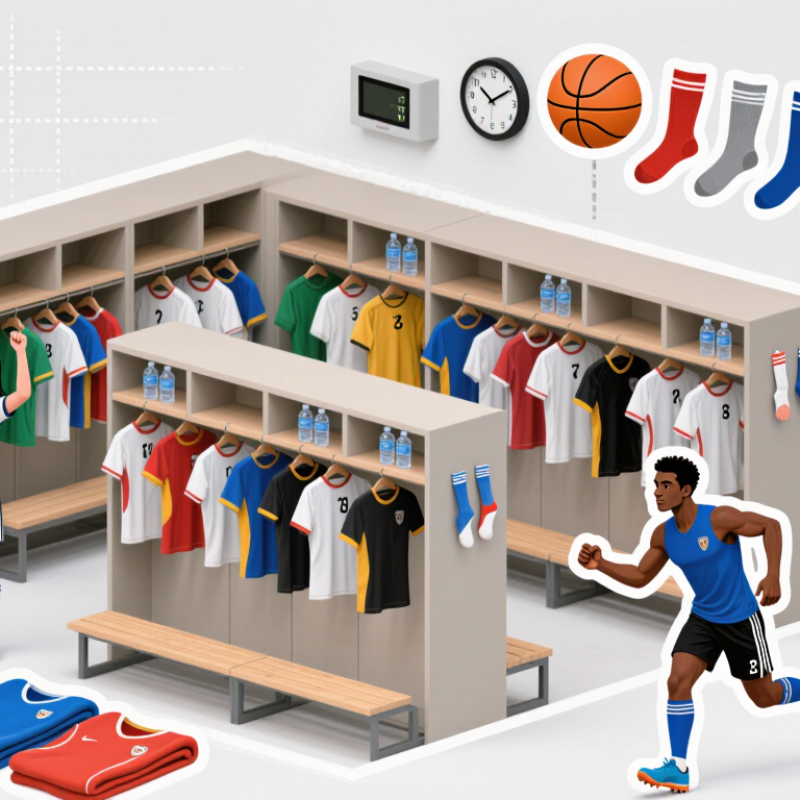
Elite uniforms are equipment, not decoration. Their purpose is to support movement, manage heat, and help athletes stay identifiable during competition. Start with the sport’s demands: a runner needs light fabric and minimal friction, while a goalkeeper may need padding and durable coverage. Different jobs require different designs.
Fit should be tested in motion, not judged on a hanger. Ask athletes to sprint, bend, jump, and reach in the uniform. Watch for seams that rub, hems that ride up, or sleeves that restrict a throw. Small problems become obvious after repeated drills.
Check fabric weight, stretch, breathability, and how quickly it dries after washing. A uniform that feels comfortable in a fitting room may feel very different under lights or in rain.
Requirements also include clear numbering, secure closures, and any sport-specific rules for colors or protective features. Confirm these before ordering, since league guidance can change. Practical fitting sessions often reveal differences in body shape that a size chart misses.
One fabric is rarely best for everyone. That deserves a second look. Gather feedback from athletes and coaches, then test a sample through normal practice and laundering. Choosing by appearance alone is tempting, but performance and comfort should lead.
Before comparing uniforms, define what the team actually needs. Record roster numbers, player positions, sizing ranges, and replacement timelines. A goalkeeper may need different coverage from a field player, while younger teams often need room for growth. Check movement in a sample garment: reach overhead, sprint, squat, and change direction. Fit matters. A uniform that looks sharp on a hanger can still pull at the shoulders.
Sport-specific demands should guide fabric, cut, and construction. Volleyball players need unrestricted arm movement; runners may value lightweight fabric that dries quickly. Contact sports can require room for approved protective equipment, so test the uniform with pads in place. Examine seams and closures where repeated motion creates friction. The best choice depends on how the team plays, not just the sport’s name.
Playing conditions change what works. Indoor courts can feel warm under bright lights, while outdoor teams may face wind, damp grass, or strong sun. Consider visibility, layering, and whether colors remain clear in low light. Ask how often uniforms will be washed and follow the care label; frequent hot washes can shorten fabric life. Test it first. A small trial with several players can reveal problems, though one fitting session will not catch everything. Revisit the choice after actual practices, when movement and weather expose what a product description cannot.
Elite sports uniforms should move with the athlete, not fight the body. Textile Exchange’s Materials Market Report 2024 estimates that global fiber production reached 124 million tonnes in 2023, with polyester accounting for 57%. That figure shows how common polyester is, not that every polyester knit performs equally. Check fabric weight, stretch recovery, and moisture-wicking test results. A breathable panel matters little if a tight seam traps heat under the arms.
Tip: Test uniforms during real drills. Raise both arms, sprint, and change direction. Look for hems that ride up, seams that rub, and fabric that stays clammy. Choose a close fit that allows full movement; sizing charts are only a starting point. A sample worn through one practice can reveal more than a polished product sheet.
Durability deserves evidence, too. The U.S. Environmental Protection Agency reported that 17 million tons of textiles entered the U.S. waste stream in 2018, while 2.5 million tons were recycled. That broader apparel figure is not specific to team uniforms, but it highlights the cost of short-lived clothing. Ask suppliers for abrasion, seam-strength, and wash-cycle test data, and follow the care label before judging a fabric. One compromise remains: the toughest fabric may feel less comfortable in hot weather, so teams should test both before ordering.
| No. | Selection Area | What to Look For | Why It Matters | Practical Check |
|---|---|---|---|---|
| 1 | Fabric for activity | Choose a fabric suited to the sport, climate, and level of exertion. Lightweight synthetic knits are commonly used for high-sweat activities. | Fabric construction affects airflow, drying time, stretch, and how the garment feels during movement. | Check the fabric description and test a sample during a representative training session. |
| 2 | Sweat management | Look for breathable, quick-drying fabric with a surface that spreads moisture rather than remaining saturated. | Wet fabric can feel heavy and uncomfortable; cotton often holds more moisture and dries more slowly than many performance synthetics. | Wear-test the uniform and note whether it stays comfortable after sustained exertion. |
| 3 | Stretch and recovery | For sports involving reaching, sprinting, or deep bending, consider fabrics with mechanical stretch or an elastane blend. | Adequate stretch supports movement; good recovery helps the garment return to shape after wear. | Move through sport-specific actions and check for pulling, restriction, or bagging at the knees and elbows. |
| 4 | Fit and sizing | Use current body measurements and the garment’s size chart; allow for the intended base layers and fit preference. | Sizing differs between manufacturers and garment cuts, so a familiar size is not always a reliable guide. | Try a sample in more than one size and test it while standing, sitting, and moving. |
| 5 | Seams and construction | Inspect seam placement, stitching consistency, and reinforcement in areas that experience repeated movement or friction. | Poorly positioned or rough seams can irritate skin; weak stitching may fail under repeated strain. | Check inside the garment for loose threads, rough edges, and seams that press against the body. |
| 6 | Ventilation | Consider mesh panels or breathable knit zones where heat builds up, provided they suit the sport and weather. | Ventilation can help release heat, while excessive exposure may be unsuitable in cold or windy conditions. | Check panel placement and make sure openings do not interfere with protective equipment. |
| 7 | Weather suitability | For outdoor use, select layers and fabric weight for expected temperature, wind, and rain; avoid relying on one garment for every condition. | Layering lets athletes adjust insulation and ventilation as conditions change. | Test the uniform with the layers and equipment that will be worn during actual play. |
| 8 | Colour and visibility | Choose colours and contrast that remain easy to distinguish under the venue’s lighting and against the playing surface. | Clear visual contrast can help teammates, officials, and spectators identify players. | View samples under both indoor and outdoor lighting if the uniform will be used in both settings. |
| 9 | Wash and colour care | Check the care label for washing temperature, drying instructions, and any restrictions on bleach or ironing. | Following care instructions helps limit avoidable shrinkage, colour loss, and damage to fabric finishes. | Wash a sample several times as directed and inspect for fading, pilling, or shape changes. |
| 10 | Durability and value | Compare fabric feel, seam quality, care requirements, replacement availability, and expected frequency of use. | A suitable uniform should balance comfort and performance with the demands of repeated wear and washing. | Request a sample or trial garment and review it after normal training and laundering. |
Note: Performance varies with fabric construction, garment design, care, and individual preference. Follow the garment care label and any sport-specific uniform requirements.
A strong sports uniform balances identity with movement, not just appearance. Start with the sport’s demands: a runner needs light, breathable fabric, while a court player may need more durable panels. Check stitching at the shoulders and sides, where repeated reaching and contact can strain seams. Stretch the fabric, then move in it. A good fit should allow motion without excess material catching or twisting.
Branding works best when team colors and lettering stay clear from a distance. Keep names and numbers readable, and avoid placing decoration over high-stretch areas. Less clutter. Safety deserves equal attention. Look for secure hems, covered or smooth seams, and a fit that does not restrict breathing or vision. Reflective details may help in low-light training, but they do not replace suitable lighting or supervision.
Performance claims need practical checks. Have athletes try uniforms during drills, not only in a fitting room; a sleeve can feel fine standing still and bind during a throw. Ask about heat, chafing, and movement after a full practice. Wash a sample several times and check for fading, shrinkage, or loose stitching. Fit can vary across body shapes, so one sample size is not enough. Small details matter. The evaluation may still miss something, which is why feedback from different athletes should shape the final choice.
Compare suppliers using one shared brief: fabric weight, size range, print method, delivery date, and acceptable defect rate. Ask for itemized pricing covering samples, artwork setup, freight, and repeat-order minimums. A low unit quote can hide setup fees. Textile Exchange’s 2024 Materials Market Report estimates global fiber production reached 124 million tonnes in 2023, with polyester representing 57%. Fiber labels alone cannot prove uniform performance; request composition details and test evidence for the finished garment.
Test customization on a physical sample, not only a screen mock-up. Check logo placement after stretching, color under daylight, and name readability across sizes. Include likely reorder needs in your budget; custom dye lots can make small top-ups expensive. It is easy to overvalue the cheapest quote. I would question it.
Before approval, agree on written tolerances and inspection points. Request lot-specific checks for seam strength, colorfastness, shrinkage, and moisture management, using recognized textile test methods. Ask how failed pieces are counted, replaced, and documented, then inspect a pilot batch. A polished sample is reassuring, but it cannot guarantee every carton. Keep a washed garment from each production lot; comparing it with the approved sample may reveal changes early.
It should support movement, manage heat, and keep athletes identifiable. A runner may need light fabric, while a goalkeeper may need durable coverage or padding. Design depends on the role.
Test it in motion. Ask athletes to sprint, bend, jump, and reach. Watch for rubbing seams, rising hems, or tight sleeves. Small issues can become distracting during repeated drills.
Check weight, stretch, breathability, and drying time after washing. Test the garment in realistic conditions, including rain or bright lights. Comfort in a fitting room is not enough.
Check numbering, secure closures, and sport-specific rules for colors or protective features. Confirm current requirements before placing an order. Guidance can change.
Give each supplier the same brief, including fabric, sizes, printing, delivery, and defect limits. Request itemized prices for samples, setup, freight, and repeat orders. A low quote may hide extra costs.
Review a physical sample, not just a screen image. Check name readability across sizes and logo placement after stretching. Look at colors in daylight. Screens can mislead.
Agree on written tolerances and inspection points. Ask for checks on seams, colorfastness, shrinkage, and moisture handling. Inspect a pilot batch and clarify how defects are recorded or replaced.
No. A polished sample cannot guarantee every carton. Keep a washed garment from each production lot and compare it with the approved sample. It is an imperfect safeguard, but worth doing.
Include likely top-ups in the budget. Small orders using a different dye lot may cost more or look slightly different. I would not assume matching colors without checking.
Choosing Elite Sports Uniforms starts with understanding the team’s goals, sport, and playing environment. Consider the demands athletes face, including movement, weather, contact, and training frequency. These factors help determine the right fabric, fit, and level of durability. Uniforms should feel comfortable throughout play, allow freedom of movement, and hold up to regular washing and use.
Next, assess design and practical features such as clear team identification, appropriate safety details, and performance-focused construction. Compare suppliers by reviewing material quality, customization options, pricing, production timelines, and quality assurance. A thoughtful balance of comfort, function, appearance, and value can help teams choose uniforms that meet their needs and support athletes throughout the season.

Achieve