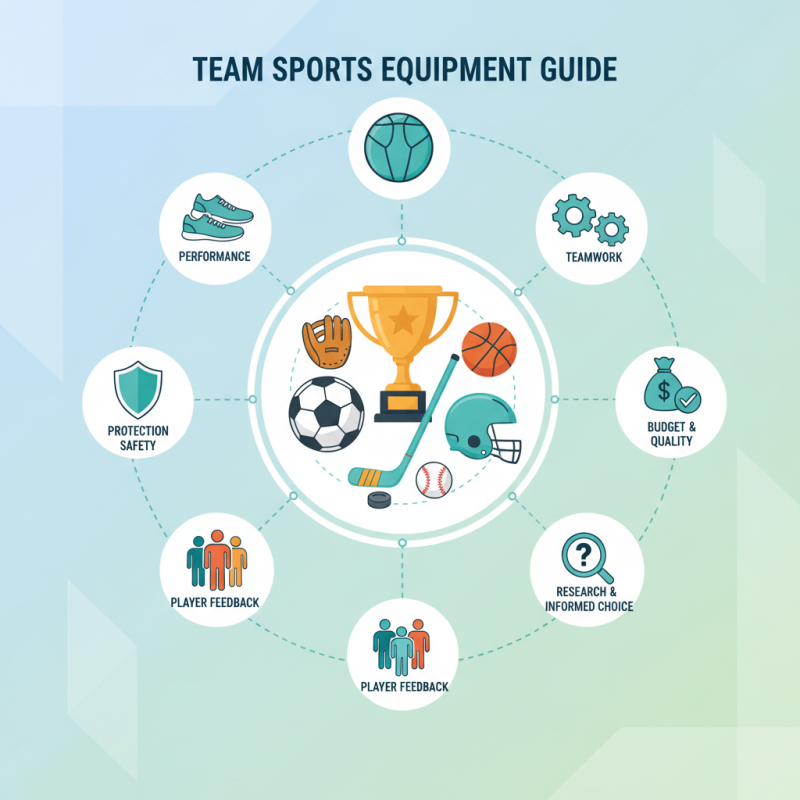
Choosing the right equipment for team sports is crucial for any successful team. The right gear can enhance performance and foster teamwork. Players must feel confident in their equipment. It helps them focus on their game.
Different team sports require specific gear. For instance, soccer needs cleats and shin guards, while basketball demands quality sneakers. The more tailored the equipment, the better the performance. Investing in high-quality products can make a difference in gameplay. However, choosing the best options can be overwhelming.
Not all teams have the budget for top-end gear. It’s essential to balance quality with affordability. Researching options and considering player feedback can guide decisions. Learn from past choices. Sometimes, what seems like a good deal may not serve the team's needs well. Team sports are about collaboration, so every player’s comfort matters. Making informed choices about equipment fosters a stronger team spirit and boosts overall performance.
Understanding the Different Types of Team Sports Equipment Available
Choosing the right team sports equipment can be overwhelming. Different sports come with specific needs that require attention. From balls and nets to protective gear, understanding these types can help in making informed decisions.
Team sports often require specific types of equipment. For example, basketball teams need quality basketballs and shoes that provide good grip. Soccer teams focus on cleats and shin guards for safety. Meanwhile, volleyball teams invest in nets and high-quality balls for performance. It's essential to match the gear to the sport's demands.
Tips: Always assess your team's needs first. Talk to the players about what they prefer. Also, consider the durability of equipment. Cheaper items might save money initially but could cost more over time. Sometimes, investing in higher-quality gear makes a lot of sense.
Looking for versatile options can help too. Multi-sport equipment might suit teams playing different sports. Such choices can often lead to budget savings. It's also necessary to seek feedback on what equipment works best. Equipment that doesn't meet expectations can hinder performance and morale.
Evaluating Quality and Durability: Key Factors in Equipment Selection
When choosing team sports equipment, evaluating quality and durability is crucial. Research indicates that over 30% of teams report frequent issues with their gear. Poorly made equipment can lead to injuries and subpar performance. Assessing the materials used is essential; synthetic composites often last longer than conventional ones.
One crucial tip is to check user reviews. Many reports highlight that equipment that receives high marks for durability often comes from verified users. Consider testing samples before buying. A good indicator of quality is a warranty or satisfaction guarantee, which shows confidence in the product.
Another important aspect is maintenance. Regular care can prolong the life of equipment significantly. An industry report notes that teams practicing routine checks saw a 25% increase in performance. If equipment shows signs of wear, it may be time to reassess your choices. Remember, investing in quality gear is investing in your team's success.
Analyzing Team Needs Based on Sport-Specific Requirements and Trends
When selecting sports equipment, analyzing your team's specific needs is crucial. Each sport has unique requirements, which can greatly influence your choices. For instance, a report by the Sports & Fitness Industry Association shows that basketball gear sales increased by 16% in the last year alone. This trend signals a growing interest in basketball across various demographics. However, equipping your team effectively goes beyond just purchasing trending items.
Consider the demographics and experience levels of your players. Younger athletes might require different gear compared to seasoned players. Assessing body types and skill levels can help refine your choices. For instance, lighter, more flexible gear may suit younger players better, while professionals might prefer equipment that offers durability and support.
Tip: Always involve your team in the selection process. Their feedback can provide insights you may overlook. Additionally, monitor changing trends. As data shows, preferences can shift quickly, impacting what equipment is deemed essential.
It's also vital to reflect on financial limitations. Investing in high-quality gear can strain budgets but might prevent injuries and enhance performance. Weigh the pros and cons of cheaper options cautiously—these might not always deliver the durability required for team sports. Finding that balance is key to fostering a successful sporting environment.
Budgeting for Equipment: Cost vs. Performance Analysis in Team Sports
When budgeting for team sports equipment, balancing cost and performance is crucial. Recent reports indicate that teams can save up to 30% by carefully selecting gear that meets their specific needs. These savings can be put towards training or other essential resources. Using lower-cost alternatives doesn’t always mean sacrificing quality. In fact, some mid-tier brands provide nearly the same performance as premium options at a fraction of the cost.
Performance analysis shows that equipment can significantly impact team success. Data from sports performance studies suggests that teams using high-quality gear experience a 15% increase in overall game performance. However, the biggest regret for many teams is overspending on equipment that offers minimal benefits. Buyers should assess how often equipment will be used and its direct impact on performance. A thoughtful evaluation can prevent costly mistakes.
Investing in essential items while avoiding impulse purchases will enhance your team’s growth. Consider longevity and durability over flashy features. A comprehensive analysis may reveal that sometimes less is more. Teams need to ask hard questions. Are we choosing the right equipment, or are we chasing trends? Reflecting on these issues is vital for making sound financial decisions in sports.
Researching Industry Standards and Safety Guidelines for Equipment Usage
When selecting team sports equipment, researching industry standards is crucial. Different sports have specific requirements to ensure safety and performance. Consider the age and skill level of your team. Using equipment that meets safety guidelines minimizes injury risks. For example, youth football helmets must pass impact tests. This knowledge helps parents, coaches, and players make informed decisions.
Understanding equipment usage guidelines is essential too. Proper maintenance and storage can enhance durability. However, not all teams prioritize these areas. Improperly stored gear can wear out quickly. It’s important to regularly inspect equipment for damage. Reflecting on the team’s needs can lead to better choices. Each sport may have varying recommendations based on environmental factors, such as weather conditions.
Researching local regulatory requirements can provide deeper insights. Consult with local sports organizations for updated standards. Many teams overlook these resources. Engaging with experts in the field can also help. Their experience can guide you in selecting safe and reliable equipment. Incorporating feedback from players can identify hidden issues with current gear. This collaborative approach fosters a safer and more enjoyable team experience.
How to Choose the Best Team Sports Equipment for Your Team?
| Equipment Type |
Industry Standard |
Safety Guidelines |
Recommended Usage |
| Football Helmets |
NOCSAE Standards |
Proper fit and cushioning required |
Wear during practice and games |
| Baseball Bats |
USA Softball Standards |
Check for cracks and dents regularly |
Use appropriate bat size for players |
| Basketball Shoes |
ASTM F2913 Standards |
Ensure proper support and traction |
Use for both practice and games |
| Soccer Shin Guards |
FIFA Regulations |
Must cover adequate area for protection |
Mandatory for all players during matches |
| Ice Hockey Skates |
Hockey Canada Standards |
Regularly check boot integrity |
Use during all ice practices and games |
Conclusion
Selecting the right equipment for team sports is crucial for enhancing performance and ensuring safety. Understanding the various types of equipment available allows teams to better align their gear with the specific needs of their sport. Evaluating the quality and durability of the equipment is essential, as it impacts longevity and performance. Additionally, analyzing team needs in relation to sport-specific requirements and current trends can significantly inform the decision-making process.
Budgeting is another critical aspect; teams must perform a cost versus performance analysis to ensure they allocate resources effectively without compromising on quality. Lastly, researching industry standards and safety guidelines is fundamental to ensure compliance and protect players. By considering these factors, teams can make informed choices that enhance their overall experience and effectiveness in team sports.

 Achieve