Elite Sports Uniforms have become pivotal in the global sportswear market. According to a recent report by Grand View Research, the global sports apparel market is expected to reach $248.1 billion by 2026. This growth reflects the rising interest in sports and fitness. Sports uniforms play a crucial role in creating team identity and enhancing performance.
Renowned sportswear expert, Dr. Emily Hunter, emphasizes, "Elite Sports Uniforms are not just about style; they are engineered for performance." This insight highlights the importance of quality materials and design. Athletes require uniforms that promote comfort and flexibility, yet many brands still overlook these factors.
The ongoing demand for customized solutions often prompts buyers to reconsider their options. Brands need to embrace innovation and sustainability. Traditional fabrics may not suffice in meeting today's performance standards. As we navigate this dynamic landscape, it is clear that the future of Elite Sports Uniforms lies in balancing aesthetics with functionality.
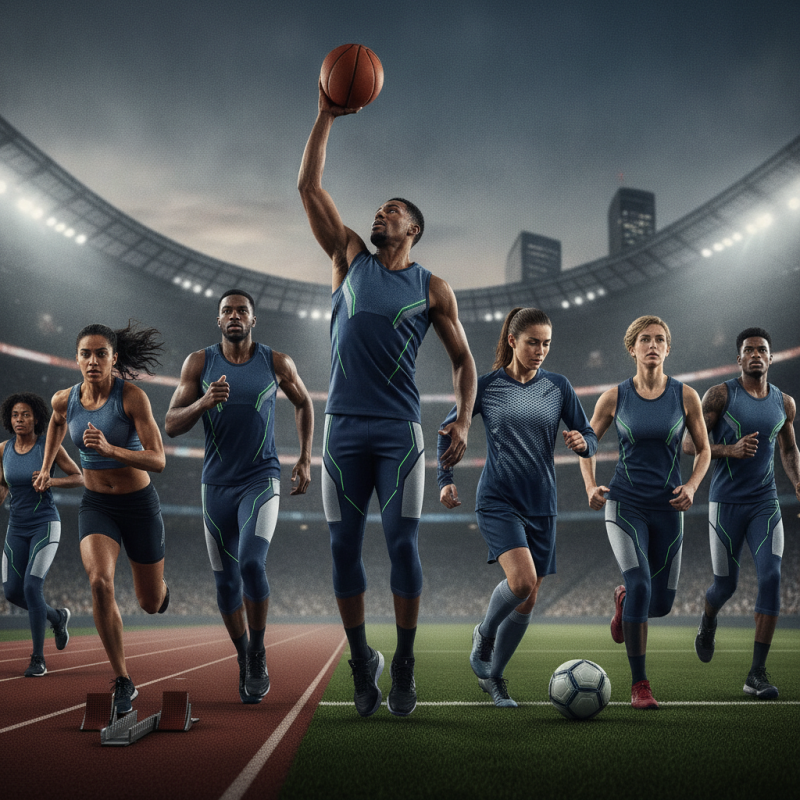
In today's competitive market, elite sports uniforms represent a blend of performance, style, and innovation. These uniforms often utilize advanced moisture-wicking fabrics. In a survey, over 70% of athletes reported that fabric comfort enhances their performance. The right uniform can propel athletes to reach their full potential. It's about feeling good on the field.
Design plays a crucial role in elite uniforms. A well-designed uniform not only boosts morale but also fosters team spirit. In fact, a study showed that 85% of players feel more confident in visually appealing gear. However, the pressure to constantly innovate can lead to compromises in quality. Brands face a challenge: balancing performance with aesthetic appeal.
Sustainability is increasingly important in uniform production. According to industry reports, 60% of buyers prefer eco-friendly materials. Yet, many manufacturers still rely on traditional, harmful production processes. The push for greener alternatives is gaining traction, but transformation takes time. This shift requires reflection and commitment from all stakeholders in the sports apparel industry.
Elite sports uniforms are essential for professional athletes. A high-quality uniform can enhance performance and comfort. As noted in a report by Statista, the global sports apparel market is expected to reach $231 billion by 2024. This highlights the increasing demand for premium sports uniforms.
Key features of high-quality sports uniforms include moisture-wicking fabrics. These materials help athletes stay dry and comfortable. Breathable designs are critical to regulate body temperature during intense activities. According to a survey by the National Athletic Trainers' Association, 76% of athletes reported a significant increase in performance due to proper attire.
Athletes should also consider fit and flexibility. A poorly fitting uniform can hinder movement and cause distractions. Many athletes find that a snug fit enhances their performance. In fact, 58% of surveyed athletes stated they felt more confident in well-fitted uniforms.
Tip: Regularly check your uniform for wear and tear. Old uniforms can impact your performance.
Quality matters. Athletes should invest time in researching materials. Experimenting with different styles can lead to a better match for individual needs. Finding the right uniform is crucial for optimal performance.
Technology plays a pivotal role in designing elite sports apparel for global buyers. Advanced materials enhance performance. For example, moisture-wicking fabrics keep athletes dry and comfortable during competition. Studies show that 70% of athletes feel better when wearing high-tech gear. This improvement in comfort can translate into better performances.
Moreover, wearable technology is reshaping the industry. Devices track biometrics in real time. They provide critical data, helping athletes optimize performance and training. A report by the Global Wearable Technology Market estimates this market will grow to $62 billion by 2025. This surge signifies a strong trend toward integrating tech with sports apparel.
However, the tech integration has its challenges. Not all designs meet athletes' expectations. Some find devices in clothing cumbersome. There is a need for ongoing refinement. Manufacturers must listen to athletes’ feedback to improve product designs. Balancing comfort, technology, and performance remains a work in progress. The quest to achieve perfect sportswear continues.
When sourcing elite sports uniforms, global buyers must consider various factors.
Quality is paramount. The materials used should withstand rigorous activities.
Breathability and moisture-wicking properties enhance player comfort and performance.
Similarly, durability ensures uniforms last through intense training and competitions.
Buyers should be aware of different manufacturing nations. Each country has its strengths. Some places excel in textile innovation, while others focus on craftsmanship. Understanding these differences helps in making informed decisions.
Communication with suppliers is crucial. Clear specifications avoid misunderstandings and ensure expectations are met.
Ethical sourcing is also vital. Buyers should reflect on labor practices. Researching suppliers' ethical standards builds trust. Transparency in operations showcases a commitment to social responsibility. Engaging in this process may seem tedious. However, it cultivates a more meaningful relationship with suppliers.
Prioritizing these factors enhances the overall buying experience, despite potential challenges along the way.
The landscape of elite sports uniforms is evolving rapidly. According to a recent market analysis, the global sports apparel market is expected to reach $248 billion by 2026. This growth is driven by increasing participation in sports and a rising demand for advanced performance materials. Buyers today seek uniforms that combine functionality with style, reflecting their team identity while optimizing performance.
Sustainability is a key trend shaping future designs. Data shows that 67% of consumers now consider sustainability when purchasing apparel. Brands are innovating with recyclable materials and eco-friendly production methods. This shift not only meets market demand but also addresses environmental concerns. However, the challenge remains in balancing quality with sustainability, as some eco-friendly materials may not yet perform at the highest levels.
Customization is another significant trend. Many teams desire unique designs that stand out. Reports indicate that personalized uniforms can enhance team morale and cohesion. Yet, creating these custom solutions can lead to longer lead times and higher costs for buyers. The industry needs to rethink production processes to meet this growing demand efficiently. Adapting to these trends will be crucial for buyers in navigating the future of elite sports uniforms.
: These uniforms often use advanced moisture-wicking fabrics that enhance comfort and performance during competition.
Design boosts team morale and player confidence. Visually appealing gear can make athletes feel better on the field.
Around 60% of buyers prefer eco-friendly materials, signaling a shift toward sustainability in production practices.
Advanced materials and wearable technology help track performance data, improving comfort and potentially boosting athletic achievements.
Some tech-integrated designs may hinder athletes. Continuous refinement is needed based on feedback to meet expectations.
Researching suppliers' labor practices fosters trust and demonstrates a commitment to social responsibility, enhancing the buying experience.
Buyers should focus on quality, durability, and the sourcing country's strengths to ensure informed decisions and effective communication.
Studies show 70% of athletes feel improved comfort in high-tech gear, directly translating to enhanced performance levels.
The shift to greener materials requires commitment and reflection from all industry stakeholders, despite the challenges involved.
Clear specifications can prevent misunderstandings and ensure that product expectations are met effectively.
Elite Sports Uniforms have become a critical element in today's competitive sports environment, defined by their innovative designs, performance-enhancing materials, and tailored fit for professional athletes. High-quality sports uniforms not only enhance the athlete's comfort and mobility but also incorporate advanced technology to optimize performance. Features such as moisture-wicking fabrics, breathability, and durability are essential for elite athletes who demand the best from their apparel.
For global buyers sourcing Elite Sports Uniforms, understanding the key trends and technological advancements shaping this market is crucial. The ongoing evolution of sportswear design focuses on sustainability, customization, and the integration of smart fabrics. As trends continue to evolve, global buyers must stay informed to ensure they are acquiring uniforms that meet the performance and style expectations of athletes today.

Achieve