In the evolving landscape of "Junior Sports," the demand for quality gear has never been higher. According to a recent Market Research report, the global junior sports equipment market is projected to grow at a CAGR of 5.7% through 2028. This growth reflects a broader trend towards active lifestyles among youth, encouraging parents to invest in reliable sports gear for their children.
Industry expert Dr. James Alder, a renowned figure in the youth sports sector, emphasizes, "Quality equipment is crucial in developing young athletes." His insights underscore the importance of selecting the right gear, as it can significantly impact performance and safety. Parents and coaches must stay informed about the latest advancements in junior sports equipment to make sound purchasing decisions.
However, with countless options available, it can be challenging to navigate the marketplace. Not all products meet the necessary safety standards. The right gear isn't just about brand; it needs to fit well and support the athlete’s growth. This guide aims to assist global purchasers in identifying the best junior sports gear while fostering a safer and more enjoyable environment for young athletes.
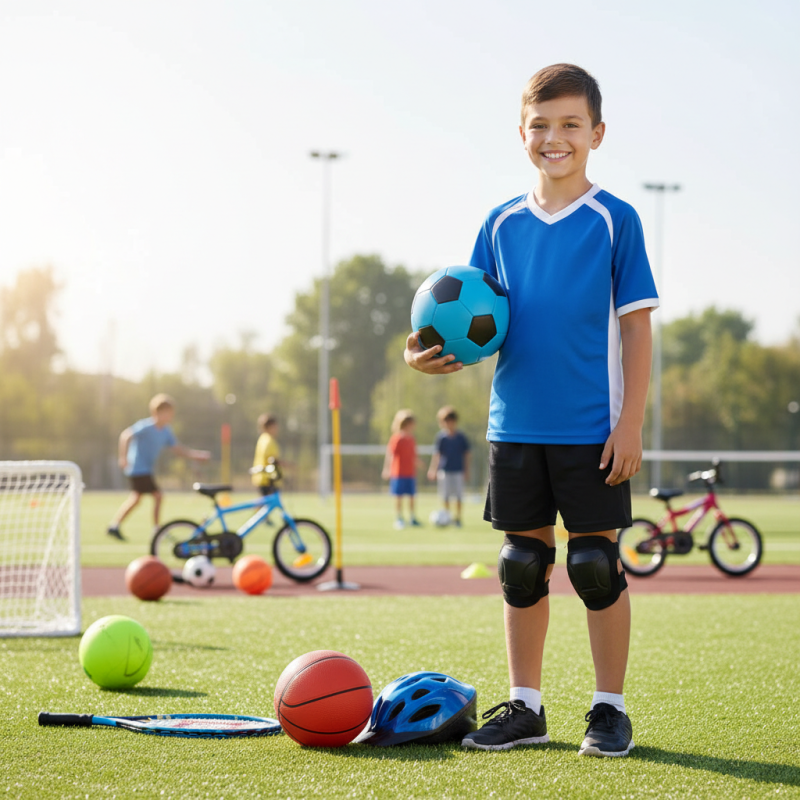
When purchasing junior sports gear, several essential factors warrant attention. Comfort is paramount. Properly fitting gear ensures that young athletes can move freely. Ill-fitting equipment can hinder performance and lead to injuries. Parents should consider materials that allow for breathability and flexibility. Low-quality materials often lead to chafing or discomfort during play.
Another vital factor is safety. Protective gear, such as helmets and pads, is crucial in contact sports. Always check for certifications that indicate compliance with safety standards. Many novice buyers overlook this aspect, but it can make a significant difference in safeguarding young athletes.
Tips:
Choose adjustable gear to accommodate growth. Young athletes can grow quickly, and adjustable features can extend the usable life of the equipment. Look for lightweight options; heavy gear can easily lead to fatigue during games. Regularly inspect gear for wear and tear. Regular checks ensure that the equipment remains safe and functional. Always prioritize function, but remember, style matters too. Enthusiasm for sports often increases with visually appealing gear.
| Gear Type | Recommended Age | Material | Weight (lbs) | Price Range | Key Features |
|---|---|---|---|---|---|
| Soccer Cleats | 6-12 years | Synthetic Leather | 1.5 | $30 - $70 | Lightweight, Good traction |
| Basketball | 8-14 years | Rubber | 1.2 | $20 - $50 | Durable, Indoor/Outdoor use |
| Baseball Glove | 6-12 years | Leather | 1.8 | $40 - $90 | Comfortable fit, Good grip |
| Tennis Racket | 8-14 years | Graphite | 0.9 | $30 - $100 | Lightweight, Enhanced power |
| Swimming Goggles | 5-12 years | Silicone | 0.2 | $10 - $30 | Anti-fog, UV protection |
| Football | 8-14 years | Composite Leather | 1.0 | $25 - $60 | Durable, Comfortable grip |
| Hockey Stick | 7-14 years | Composite | 1.1 | $45 - $120 | Lightweight, Strong flex |
| Skateboard | 6-14 years | Maple Wood | 4.0 | $35 - $80 | Durability, Smooth ride |
| Volleyball | 8-14 years | Synthetic Leather | 0.9 | $20 - $50 | Soft touch, Good grip |
| Golf Club Set | 8-14 years | Stainless Steel/Graphite | 3.5 | $60 - $150 | Lightweight, Easy to use |
: Comfort ensures young athletes can move freely and perform well. Ill-fitting gear may cause injuries.
Always check for certifications indicating compliance with safety standards. This is crucial in contact sports.
Choose adjustable gear to accommodate growth. This feature allows for extended usability as children grow.
Lightweight cleats enhance speed and control, improving their performance on the field.
Regular inspections for wear and tear are essential. This ensures safety and functionality for young athletes.
Poorly fitted equipment can hinder performance. Sizing is crucial for helmets, shoes, and goggles.
While function is key, visually appealing gear can boost enthusiasm for sports among children.
Reliable equipment often pays off in the long run. Proper care can extend its lifespan significantly.
Children grow quickly, making constant assessment of gear fitting necessary. Needs can shift rapidly as they develop.
Yes, low-quality materials can lead to chafing or discomfort, impacting performance during play.
When purchasing junior sports gear, it's essential to consider various factors that ensure both safety and performance for young athletes. Key elements include selecting age-appropriate equipment tailored to different sports, which can significantly affect both enjoyment and development. Additionally, understanding important safety features, such as protective padding and durability, is crucial in preventing injuries during play.
In the global market, there are several reputable sports equipment brands that cater specifically to junior athletes, offering a range of products designed to meet their unique needs. To maximize the lifespan of junior sports gear, proper maintenance and storage practices should be followed, including cleaning and organizing equipment to maintain its functionality and safety. Overall, investing time in choosing the right junior sports gear lays a strong foundation for a safe and enjoyable sporting experience.

 Achieve