The demand for Sublimation Print Sports Apparel has surged in recent years. According to a report by Allied Market Research, the global sports apparel market is projected to reach $250 billion by 2026. This growth reflects increasing consumer interest in fitness and wellness. Sublimation printing offers unique benefits, including vibrant colors and durability, making it a preferred choice for athletes and teams.
As buyers around the world seek high-quality apparel, sublimation printing stands out due to its ability to customize designs easily. Brands focusing on this technique can cater to specific customer needs. However, achieving perfection in sublimation can be challenging. Variations in fabric type and printing technology can affect the final product quality.
The market is also highly competitive. Many suppliers may not always deliver the best results. This situation calls for careful evaluation of manufacturers based on expertise and past performance. Buyers must be vigilant and consider these factors when selecting Sublimation Print Sports Apparel. Proper assessment ensures a favorable investment in quality sportswear.
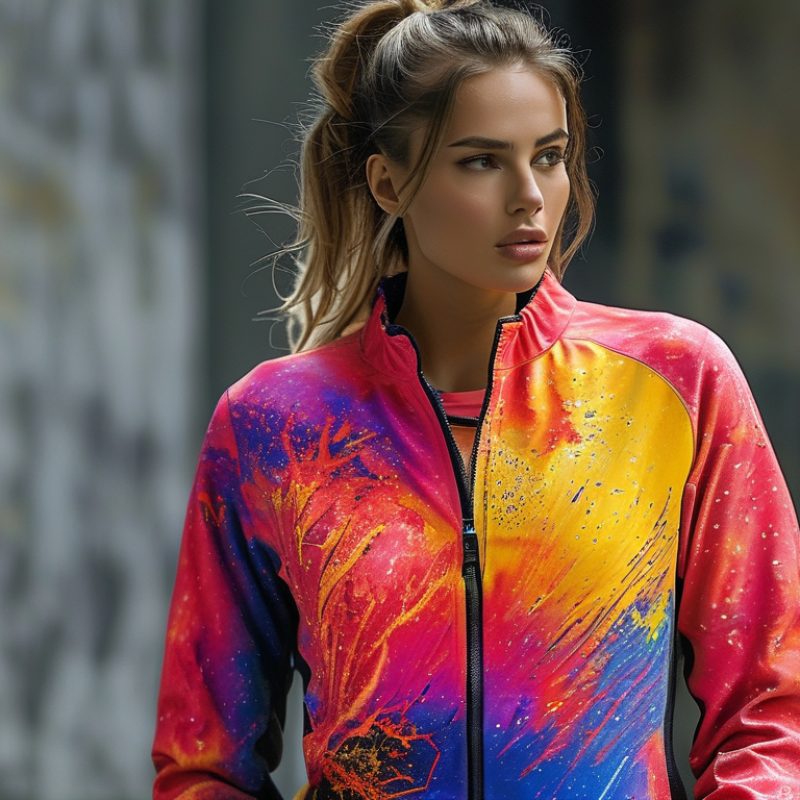
Sublimation printing is a popular method in the sports apparel industry. It offers vibrant colors and intricate designs that stand out. This technique uses heat to transfer dye onto fabric, resulting in high-quality graphics. The colors remain bright and do not fade over time. Many athletes and teams prefer sublimated apparel for this reason.
However, not all sublimation printing processes are equal. Some manufacturers may cut corners, leading to quality issues. The choice of fabric plays a significant role in the final product. Polyester is the most common material used, as it holds the dye well and provides a comfortable fit. Still, sourcing quality polyester can be challenging, especially for global buyers.
Despite its advantages, sublimation printing has limitations. The method works best on light-colored fabrics. Dark colors may not yield the desired results. Additionally, some fabrics may not be compatible with sublimation ink. Buyers must research suppliers thoroughly to ensure they meet specific quality standards. Understanding these nuances can lead to better purchasing decisions in sports apparel.
Sublimation printing is revolutionizing sportswear. This method allows vibrant designs and colors that are long-lasting. According to a report by Grand View Research, the global sports apparel market is expected to reach $239.78 billion by 2026. The durability of sublimation prints means that athletes can rely on their gear lasting through rigorous activities.
One major benefit of sublimation printing is moisture-wicking capability. This technology helps keep athletes dry and comfortable. The fabric can pull sweat away from the body, enhancing performance. Additionally, sublimation offers design flexibility. Brands can create unique, personalized items without increasing costs. A survey by Statista shows that 58% of consumers prefer customized sportswear. This reflects a growing trend towards personalization.
Tip: When choosing sublimated apparel, consider the fabric quality. High-quality polyester works best for sublimation prints. It ensures colors remain vibrant even after multiple washes. Remember, not all sublimation processes are equal. Research suppliers to ensure they meet industry standards. Always ask for samples before bulk orders.
Sublimation print sports apparel is becoming increasingly popular among global buyers. The choice of materials is vital for achieving vibrant designs and durability. Polyester is one of the most favored fabrics for sublimation. Its smooth surface allows inks to bond well, resulting in bright, high-resolution prints. This material is lightweight and breathable, making it ideal for active wear.
Another material that stands out is spandex. Often blended with polyester, spandex enhances flexibility and comfort. This combination is perfect for sportswear, as it allows for a full range of motion. However, the reliance on synthetic fabrics raises concerns about sustainability. Many buyers seek options that are both high-performing and environmentally responsible.
Cotton is less common in sublimation but worth mentioning. It offers comfort and breathability, though prints may fade faster. This presents a trade-off between comfort and durability. Buyers often need to reflect on their priorities to find the right balance. As the market evolves, the quest for better materials continues. It's essential to consider the implications of fabric choices on both performance and environmental impact.
Sublimation sportswear is increasingly popular among athletes and fitness enthusiasts. According to a recent research report, the global sports apparel market is expected to reach $200 billion by 2026. This surge is driven by a growing demand for customized and high-performance athletic wear. Brands specializing in sublimation printing offer unique designs that attract global buyers.
Many manufacturers use innovative technologies to create vibrant and durable fabrics. These techniques ensure that colors won’t fade over time, even after multiple washes. Customization allows teams and organizations to showcase their identities. However, some brands struggle with sustainability. Consumers are becoming more environmentally conscious and expect brands to reflect that change.
The competition among global brands is fierce. Many companies invest heavily in research and development to stay ahead. Industry experts suggest that brands must prioritize both performance and environmental impact. Balancing this is challenging. It's essential for brands to innovate responsibly while meeting consumer demands.
Sublimation print designs are shaping the future of sports apparel. These designs are vibrant and long-lasting. They offer a unique opportunity for athletes to express their personal style. Recently, bold graphics and custom patterns have gained popularity. Many athletes are looking for distinctiveness, not just functionality. Customization allows for a perfect blend of personality and performance.
Sustainable materials in sublimation print have also emerged as a trend. Athletes now seek eco-friendly options. This shift reflects a growing awareness of environmental impact. Bright colors and intricate designs are still essential. However, the choice of materials now plays a vital role. Brands should pay attention to this demand. There’s a need to balance aesthetics with sustainability, which can be challenging.
The market tends to overlook the significance of fabric quality. Just choosing bold designs isn’t enough. Athletes require comfort and durability. They often find that some designs fade over time, leading to dissatisfaction. It’s essential to address these issues while remaining trendy. As trends evolve, brands face a continuous challenge. Striving for innovation while keeping athletes' needs in mind is key.
: Sublimation printing transfers dye onto fabric using heat. It creates vibrant and intricate designs that last.
Athletes love the bright colors and durable prints. The graphics remain intact even after rigorous use.
Polyester is preferred. It holds dye well and offers a comfortable fit, but quality varies.
Yes. It works best on light-colored fabrics. Dark colors may not show designs effectively.
The moisture-wicking capability keeps athletes dry. This enhances comfort and performance during activities.
Not all suppliers meet quality standards. Some may cut corners, affecting the final product's quality.
Always request samples. This helps ensure the product meets your quality expectations.
Yes, sublimation allows for unique, custom designs. Many consumers prefer personalized sportswear.
Sourcing quality polyester can be difficult, especially for global purchases. It requires careful research.
Sublimation offers more vibrant designs. Other methods may not provide the same durability or color vibrancy.
Sublimation Print Sports Apparel has gained significant popularity due to its unique benefits and vibrant designs. This printing technique allows for full-color graphics that are embedded into the fabric, resulting in durable and high-quality prints that resist fading and peeling. Key advantages of sublimation printing in sportswear include its flexibility for customization, lightweight feel, and moisture-wicking capabilities, making it ideal for athletic performance.
Popular materials used in sublimation sports apparel often include polyester and blends that facilitate the sublimation process while providing comfort and functionality for wearers. As trends continue to evolve, designers are experimenting with bold colors, patterns, and styles, ensuring sports enthusiasts can express their individuality while enjoying technologically advanced apparel. The growing demand for environmentally friendly practices also shapes the future of sublimation print designs, offering exciting opportunities in sports fashion.

Achieve